The State of Agricultural Mechanization in Africa: Challenges, Opportunities, and the Path to Precision Farming
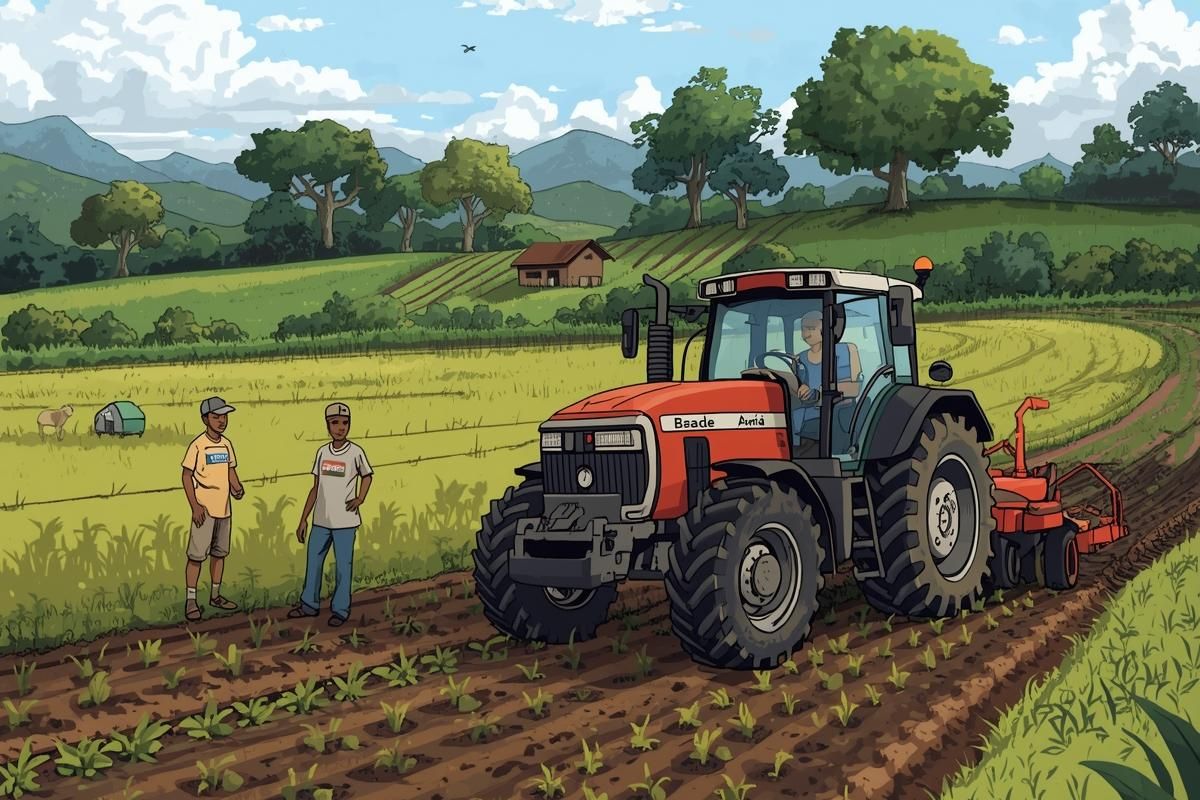
For millions of Africans, agriculture remains a daily grind dominated by hand tools, erratic weather, and limited technology access. Employing over 60% of the continent's workforce, the sector's low mechanization levels have capped productivity at just a fraction of global averages. Yet, with Africa's agricultural machinery market valued at USD 5.4 billion in 2026 and projected to grow at a 3.84% CAGR to USD 6.52 billion by 2031, transformative change is on the horizon. Modern machinery is no longer a luxury, it's essential for boosting yields, cutting labor demands, and elevating farmer incomes.
Agricultural mechanization, defined as the integration of machines and equipment for tasks such as land preparation, planting, irrigation, harvesting, and processing, holds the key. As the Food and Agriculture Organization notes, when implemented effectively, it can significantly increase productivity, reduce physical strain, and enhance farm profitability. For African farmers and agribusinesses seeking growth in 2026 and beyond, understanding the current landscape, challenges, and emerging innovations is essential.
What Is Agricultural Mechanization and Why Does It Matter?
At its core, agricultural mechanization involves deploying tools, machines, and equipment to streamline farming operations. This spans from basic hand-held implements and animal-drawn plows to advanced motorized gear like tractors, precision planters, harvesters, irrigation systems, threshers, and post-harvest processors.
Why prioritize it? Mechanization empowers farmers to:
- Execute tasks efficiently and on schedule, minimizing weather-related risks.
- Cut reliance on manual labor, addressing shortages in rural areas.
- Boost crop yields and quality through precise application of inputs.
- Minimize post-harvest losses, preserving more produce for market.
- Drive profitability by scaling operations sustainably.
Far from merely displacing workers, mechanization, as emphasized by the Food and Agriculture Organization, redefines farming as a productive, environmentally sustainable enterprise that attracts young people and strengthens long-term resilience.
The Current State of Agricultural Mechanization in Africa
Persistently Low Adoption Among Smallholders
Africa's farms are predominantly smallholder operations, often under two hectares, still tethered to hoes, machetes, and human effort. Tractor density starkly illustrates the gap: continent-wide, it's alarmingly low, with Kenya at just 3 units per 1,000 hectares, less than one-fifth of South Africa's figure. Compared to Asia and Latin America, Africa's mechanization lags significantly, hampering productivity and food security, per UN Africa Renewal reports.
By 2030, the African agricultural tractor market alone is forecasted to hit USD 2.6 billion, fueled by mechanization drives. Yet, without targeted interventions, smallholders risk being left behind.
Lessons from Failed Past Initiatives
Historical efforts often faltered by importing oversized tractors ill-suited to local farm sizes, soils, crops, or maintenance ecosystems. Machines rusted idle due to exorbitant repair costs and scarce parts. The FAO underscores that success demands locally adapted, farmer-led approaches, shifting from top-down imports to demand-driven innovations.
Key Challenges Facing Agricultural Mechanization in Africa
1. Prohibitive Machinery Costs: Tractors and equipment remain pricey, exacerbated by import tariffs, currency fluctuations, and inflation. This is pricing out small-scale farmers.
2. Finance Barriers: Affordable credit is scarce; banks deem agriculture high-risk, stifling machinery investments.
3. Infrastructure Deficits: Poor rural roads, absent service centers, and unreliable spare parts inflate downtime and expenses.
4. Skills Shortfalls: Effective machine operation and upkeep require training; without it, equipment underperforms or fails prematurely.
5. Exclusion of Women and Youth: These groups face amplified obstacles to land, finance, and services. Inclusive mechanization, as FAO advocates, must bridge these gaps.
6. Policy Inconsistencies: Fragmented strategies hinder alignment between governments, private sectors, and farmer groups.
Emerging Opportunities in Agricultural Mechanization
Amid challenges, 2026 marks a tipping point for mechanization in Africa.
1. Service Provider Models: "Mechanization-as-a-Service" lets farmers rent tractors and gear from providers or cooperatives, slashing upfront costs and democratizing access. Platforms like "Hello Tractor" in Kenya and "TracTrac" in Nigeria exemplify this model.
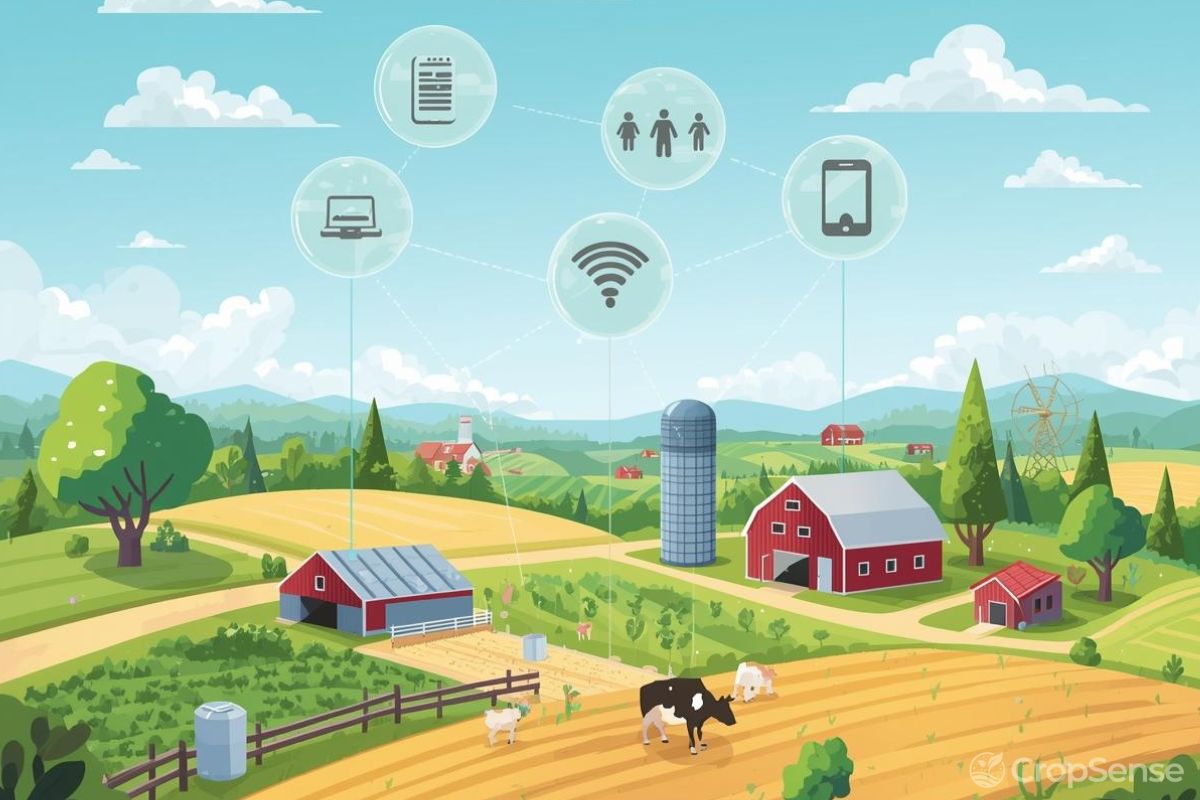
2. Digital and Smart Agriculture Innovations: are transforming mechanization through data-driven timing and precision. By integrating satellite imagery and AI, platforms like CropSense deliver real-time insights and predictive forecasts that reduce waste and improve machinery efficiency for smallholders.
3. Appropriate Small-Scale Tech: Compact solutions like two-wheel tractors, affordable planters, and threshers are yielding impressive gains. CIMMYT studies show productivity surges in African pilots, tailored to fragmented farms.
4. Climate-Resilient Mechanization: Tools that support conservation tillage, precision irrigation, and efficient resource use help combat climate change and align with CropSense’s climate modeling and early warning features for proactive adaptation.
5. Heightened Government and Donor Support: Policies in countries like Kenya (with subsidies on equipment) and Ethiopia are prioritizing mechanization for food security and transformation.
The Way Forward for Farmers and Agribusinesses
To harness mechanization's potential, stakeholders must act strategically:
1. Embrace Tailored Technologies: Select machinery fitting your farm's scale, crops, and terrain. Integrate digital platforms like CropSense AI for data-driven precision—using its satellite-powered monitoring to guide mechanized operations, predict yields, and minimize risks. For instance, CropSense's AI advisories can optimize tractor routes and irrigation schedules, cutting fuel costs by up to 20% while enhancing sustainability.
2. Leverage Hiring and Leasing: Opt for rental or shared models over outright purchases to lower barriers. CropSense complements this by providing verifiable farm data for service providers, ensuring efficient equipment deployment and reducing downtime.
3. Prioritize Training and Skills Building: Invest in operator education to maximize machinery lifespan. Partner with extension services or platforms like CropSense, which offers intuitive tools and alerts accessible via mobile apps, empowering even novice users.
4. Fortify Local Supply Chains: Promote domestic assembly, parts availability, and repair networks for resilience.
5. Advocate for Inclusive Policies: Push for frameworks ensuring women and youth access mechanization. Engage policymakers to bolster financing, training, and infrastructure—leveraging CropSense's YieldRank for AI credit scoring that de-risks loans, making machinery attainable.
Conclusion
Agricultural mechanization is not optional for Africa’s future; it is essential for increasing productivity, strengthening food security, and building profitable, sustainable farming systems. While challenges such as high costs and infrastructure gaps remain, innovations in service models, small scale technologies, and digital platforms are reshaping the sector.
For farmers and agribusinesses, success depends on adopting precision tools, collaborative access models, and data driven decision making. Platforms like CropSense are leading this shift by combining AI, satellite intelligence, and financial insights to maximize the value of mechanization. Ready to transform your farm? Start with CropSense’s Forever Free Plan for up to 1 hectare of monitoring and AI advisories. Visit cropsense.africa to begin your precision farming journey in 2026 and beyond.